How to remove a browser hijacker showing a fake virus alert
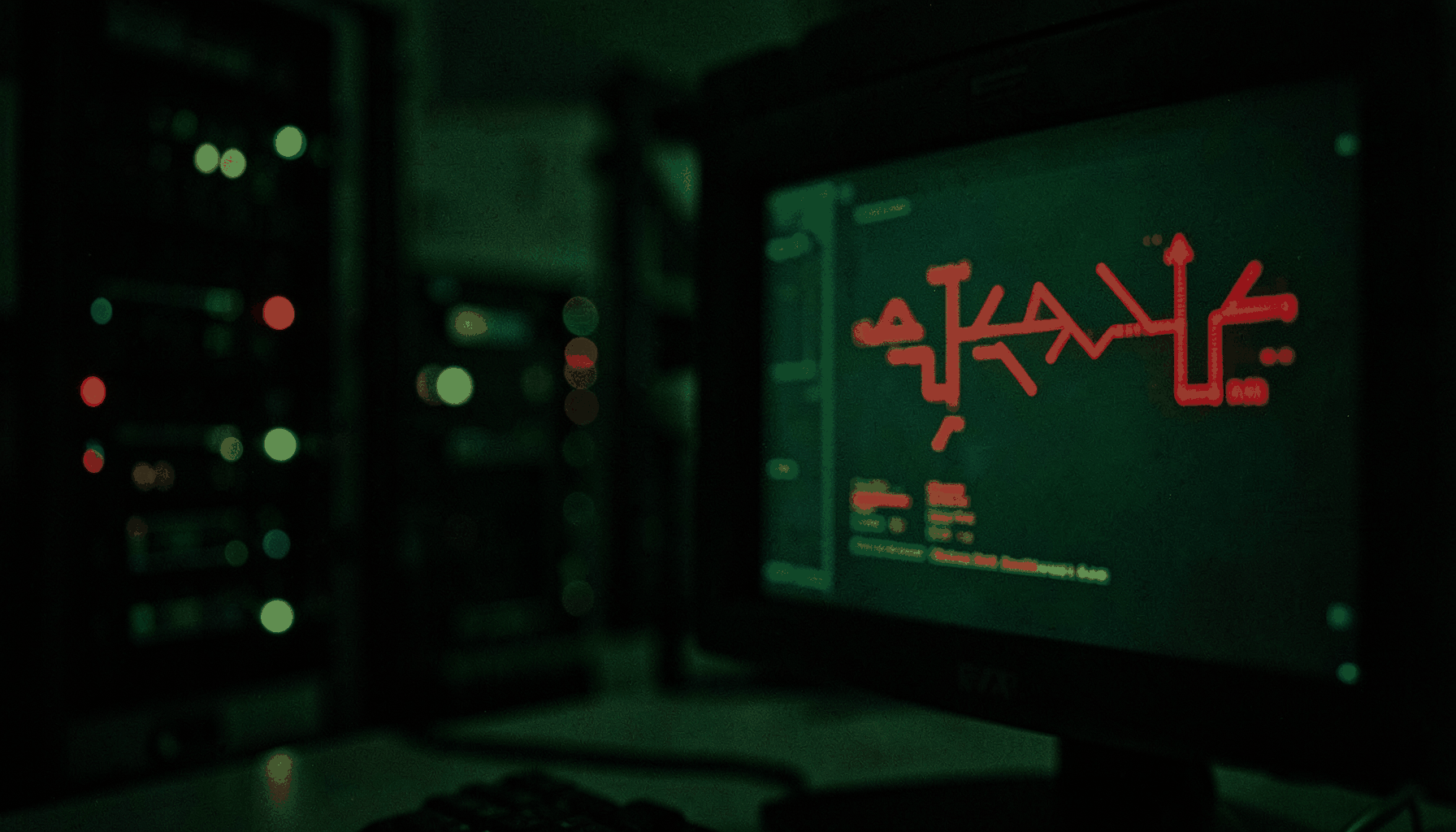
A browser hijacker can replace normal tabs with a frightening full-screen warning that claims your computer is infected. The page may imitate Microsoft, Apple, a security company, or an Australian telecommunications brand, while displaying a phone number, countdown, siren sound, or payment request.
This warning is usually a scam page rather than proof that your files are infected. Its purpose is to pressure you into calling a fraudulent support line, installing remote-access software, sharing banking details, or paying for unnecessary “technical assistance”. Do not call the number, click its buttons, or give the operator access to your computer.
The hijacker may have arrived through a bundled free program, a malicious advertisement, a compromised website, or a browser notification permission. On Windows and Mac computers, it can redirect searches, change the homepage, open unwanted tabs, and repeatedly restore the fake alert after the browser restarts.
Australian users may encounter these scams while using an NBN connection, public Wi-Fi in a Melbourne café, or a shared family computer in Brisbane or Perth. The warning can look convincing, but legitimate providers such as Microsoft and Apple do not display random browser pop-ups asking you to ring a local-looking number.
Recognise the fake warning
A genuine antivirus application normally identifies itself through its installed interface, notification area, or system security settings. A web page cannot reliably scan your entire device merely because you opened a tab. Warning signs include a locked-looking screen, flashing red text, distorted audio, fake error codes, poor spelling, or instructions to contact “certified technicians” immediately.
Some overlays falsely claim that your files will be deleted, your identity has been stolen, or your internet service will be disconnected. Others copy the colours and logos of banks used in Australia. Treat unexpected requests for gift cards, cryptocurrency, remote desktop access, or card numbers as clear signs of fraud.
Close the browser without engaging
First, stop interacting with the page. Disconnect Wi-Fi or unplug the Ethernet cable if the overlay is aggressively opening tabs or if you have already clicked something suspicious. On Windows, try Alt+F4; on macOS, use Command+Option+Escape to open the Force Quit window. Ending the browser process is safer than pressing buttons inside the warning.
If the browser reopens the same page, use Task Manager on Windows or Force Quit on macOS, then start the browser without restoring previous tabs. A keyboard or mouse that becomes unresponsive can indicate a wider problem; follow this login-screen recovery guide before attempting extensive cleanup.
Do not download a “support tool” offered by the alert. If you already installed remote-access software or shared a password, disconnect the computer from the internet, remove the unauthorised program, and change important passwords from a separate trusted device. Contact your bank promptly if payment information was exposed.
Remove unwanted browser changes
After closing the alert, inspect the affected browser. Remove unfamiliar extensions, especially those installed recently or described as search tools, coupon helpers, video downloaders, or security scanners. Check the homepage, default search engine, new-tab setting, and notification permissions. Delete permissions for suspicious domains rather than simply closing their tabs.
Clear browsing data, including cached files and site permissions. Then reset the browser settings if redirects continue. A reset can disable extensions and restore default search settings, although saved passwords and bookmarks may need to be checked separately. Use the official browser settings rather than a download advertised in a pop-up.
Also inspect installed applications in Windows Settings or the macOS Applications folder. Sort programs by installation date and remove software you do not recognise, while avoiding the deletion of essential drivers or legitimate security tools. If the infection appears to involve a hidden persistence mechanism or remote access, consult this backdoor Trojan removal guidance.
Scan the computer and protect accounts
Update the operating system, browser, and reputable security software before running a full scan. Windows users can use Microsoft Defender, while Mac users should check system updates and use a trusted malware scanner. Run an additional scan after restarting, particularly if redirects, pop-ups, or unknown processes return.
Review browser downloads and recent files for installers associated with the fake warning. Check email, social media, shopping, and online banking accounts for unusual sign-ins. Australian customers should monitor bank alerts and contact their financial institution through the number printed on the card or shown in the official banking application, not through the scare page.
If files were encrypted or renamed, avoid repeatedly opening them and preserve a copy of the affected data before making major changes. A separate ransomware cleanup guide explains safer steps for a more serious infection.
Prevent repeat browser hijacking
Keep browser notifications limited to websites that genuinely need them. Avoid pirated software, unofficial streaming pages, fake browser updates, and “free” utilities promoted through aggressive advertising. Download applications from the developer’s official site or established Australian retailers such as JB Hi-Fi, rather than from a sponsored download mirror.
Use separate standard accounts for everyday activity where practical, enable multi-factor authentication, and keep backups disconnected when they are not being used. Scam awareness advice from Australian authorities is useful when a warning asks for remote access or payment, particularly because criminals often use familiar local branding and Australian phone numbers.
| Warning sign |
Safer response |
| Full-screen browser alert |
Close or force-quit the browser |
| Phone number or remote-support request |
Do not call; disconnect if access was granted |
| New extension or search engine |
Remove it and reset browser settings |
| Repeated redirects |
Update security tools and run a full scan |
| Banking or password exposure |
Change credentials from a clean device and contact the provider |
A browser hijacker is usually removable when the fake overlay is treated as an untrusted web page rather than an emergency system message. Closing it safely, removing persistence, scanning the device, and securing exposed accounts prevents the scam from turning a frightening pop-up into a real financial or privacy incident.