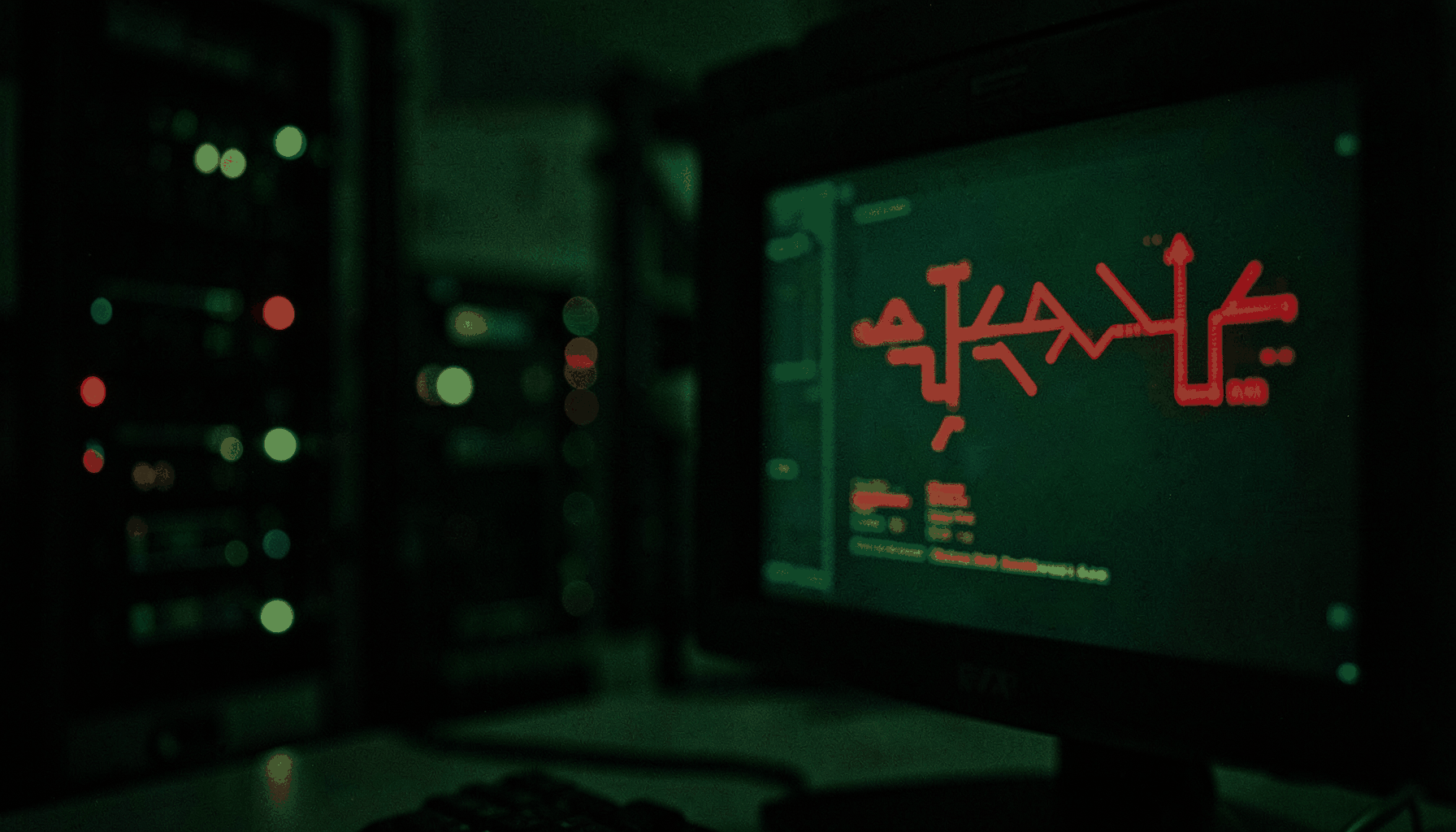
Ransomware with a Countdown Wallpaper: Removing Desktop Lock Threats
When an extortionist replaces the familiar view of Bondi Beach or a family photo with a stark warning, the shock is profound. A 72-hour countdown ticking on your desktop wallpaper becomes hard to ignore. Many Australian households and small businesses have faced this exact scenario, as ransomware crews localise their messages to feel pressing and personal to a Sydney, Perth, or Brisbane resident.
The tactic is brutal but technically simple. Once executed, the malware rewrites the registry entries controlling the background, dropping an image with burned-in text. Below the ransom note sits a clock counting down to a supposed destruction of files. The encryption has usually already happened; the countdown is theatre designed to short-circuit careful decision-making. Knowing this makes rational removal possible without bowing to the performative deadline.
Victims range from retirees in Adelaide losing scanned tax records to tradies in Melbourne finding their quoting software scrambled, and remote designers on the NBN in regional Victoria losing client work. Any Windows machine that connects to the internet, syncs cloud folders, or opens a single malicious attachment is at risk. What follows walks through how this wallpaper ransomware operates, what to do first, and how to clean a Windows machine so you can return to normal use.
Recovery is achievable without paying criminals, but it requires methodical work rather than panic-driven clicks. Each section tackles a different layer, from identifying what is happening on your screen to rebuilding a hardened system afterwards.
How the countdown wallpaper ransomware works
Modern strains from the STOP/Djvu family, or newer builds like MXLocker, combine file encryption with a visibility hack. The encryption layer uses RSA or AES keys that cannot be brute-forced on a home laptop. The wallpaper layer is purely cosmetic but devastating as a psychological weapon.
After dropping the cipher, the malware calls the Windows API to set a new desktop background pointing to a generated image stored in %AppData%. Scheduled tasks often re-apply the image after every reboot, so even restoring your preferred background gives only a brief reprieve. The timer drawn into the image references a real-time calculation tied to a hidden file timestamp, making the deadline feel authentic.
The actor usually requests payment in Monero, Bitcoin, or USDT. Reputable bodies, including the Australian Cyber Security Centre, caution against paying because it funds further campaigns and offers no guarantee of file return.
Recognising the signs before acting
Beyond the wallpaper replacement, several side effects accompany a countdown-led infection. Files gain extensions like .locked, .cry, or a string of random characters. Text documents refuse to open in Word and launch the wrong application. Pop-ups appear outside of any browser, demanding the same payment via a TOR link.
Performance suffers as the malware maintains an outbound beacon. Fans spin up more often on devices that were once quiet, and battery life on laptops drops noticeably. Programs auto-start with Windows that you do not remember installing clutter Task Manager. Australian small businesses running Xero or MYOB locally often discover the infection only after a database fails to load, by which point backups are the saving grace.
Confirm the wallpaper change did not come from a Windows Spotlight update. Rule out legitimate system messages. Once those are eliminated, treat the event as a confirmed compromise.
First steps to contain the damage
Disconnect from the network immediately, including disabling Wi-Fi and unplugging any ethernet cable. This stops the malware phoning home and prevents lateral spread, a common occurrence in homes across Brisbane and western Sydney where mesh networks connect phones, PCs, and smart TVs. Photograph the ransom wallpaper and any text files left in folders, as these provide valuable hashes for researchers.
Do not delete the encrypted files yet. Power down safely after disconnecting. Avoid rebooting repeatedly, as some strains accelerate destruction after forced shutdowns. Report the incident to Scamwatch and consult the latest security news from researchers at home and overseas to see if the strain matches a known variant with available help.
If the device is used for business, consider whether the Notifiable Data Breaches scheme applies. The Office of the Australian Information Commissioner requires prompt assessment when personal data of Australians may have been exposed.
Removing the ransomware from your Windows machine
Clean the infection in Safe Mode with Networking disabled, then run a second boot scan from a USB rescue disk. The table below compares widely used free tools that can be run without booting Windows fully:
| Tool |
Cost |
Boot scan |
Heuristic strength |
| Malwarebytes Free |
Free |
No |
Strong |
| Emsisoft Emergency Kit |
Free |
Yes (USB) |
Strong |
| Kaspersky KVRT |
Free |
Yes |
Very strong |
| HitmanPro |
Free trial |
Limited |
Cloud-assisted |
For best results, run two of the above, one from Safe Mode and one via USB. Manual cleanup should also remove suspicious registry values under HKEY_CURRENT_USER\Control Panel\Desktop and any unknown Run entries. Resetting the wallpaper alone is not enough; associated scheduled tasks need to be removed too. If the machine also shows a slow browser and high CPU during idle, extra steps similar to those used to clean a Windows machine hit by cryptocurrency miners can help, since many ransomware builds share that mining component.
Recovering files and rebuilding the system
Once the malware is gone, focus shifts to data. Begin with NoMoreRansom.org, a project promoted locally through the ACSC. The site hosts decryptors for older strains and continues to add support. If your variant is not covered, professional recovery firms in Sydney, Melbourne, and Perth offer decryption analysis services, though these typically cost more than rebuilding from backups.
Shadow copies sometimes survive encryption if the Volume Shadow Service was running before infection. Restoring previous versions through the right-click menu can recover documents open when encryption started. Cloud-synced files in OneDrive, Google Drive, or Dropbox may have revision histories predating the attack, a useful last resort when local backups are also affected.
For machines that suffered severe tampering, a clean Windows reinstall is often faster and safer than surgical removal. After reinstall, apply patches, restore files from an offline backup, and reset every credential used on the affected machine, including email and banking passwords.
Australian protections and prevention habits
Australian users have access to strong guidance through Cyber.gov.au, the ACSC's main portal for individuals and small businesses. The "Have you been hacked?" tool walks through common scenarios, and the Alert service pushes notifications about active campaigns targeting local infrastructure. Pair this with Scamwatch reporting, where every incident helps authorities map trends affecting communities from Adelaide to Hobart.
Adopt baseline cyber hygiene suited to how many Australians work today. With hybrid work common across NBN-connected suburbs from Joondalup to Geelong, family routers should run updated firmware, and a guest network should isolate work devices from smart TVs. Enable multi-factor authentication on every important account, keep offline backups on an external drive stored away from the infected machine, and patch Windows monthly. If a breach touches personal data, the Notifiable Data Breaches scheme protects your right to be informed, but only when incidents are reported quickly.
The countdown wallpaper stays effective only as long as fear outweighs preparation. With a clear recovery path, free scanning tools, and Australian reporting channels ready to help, victims can dismantle the threat without funding the criminals behind it.